Our Services
Our Therapy Process
At Kids + Co.Lab we are committed to creating individualised services tailored to your child and families needs. Whether this is your first encounter with Allied Health services, your your a seasoned veteran, it can be helpful to learn more about our unique approach to therapy.
-
Make an enquiry.
Discuss whether we're the right fit for you and get matched with a therapist for an initial appointment.
-
Meet with your therapist.
Parent/Carer Goal Setting.
Assessment with child.
Connect with key stakeholders like school and other therapists.
Make a plan to achieve your goals.
-
Collaborative interventions working on your individualised therapy plan. This may happen through a range of modalities including parent /carer coaching, direct therapy, and/or working with other service providers.
-
At the end of the agreed therapy block we will meet again to discuss progress and next steps.
New therapy goals may be set, or we may refer you to another service or discharge you once you have reached your goals.

Our Services
Kids and Co.Lab provides OT services to a range of children from babies through to teens, including those with Spina Bifida, Cerebral Palsy, Developmental Delay, Genetic Conditions, Muscular Dystrophy, Sensory Processing difficulties, Coordination difficulties, Learning disabilities, and Intellectual Impairments.
Our Occupational Therapists are experienced Assistive Technology Assessors for children with a range of disabilities. They are able to support you with advice, prescription and fitting of a range of aids and equipment, from smaller daily items like keyboards, adaptive cutlery and wobble cushions, right through to wheelchair mounting systems, mobile shower commodes, hoists, hi-lo electric beds, wheelchairs, strollers, disability carseats and beach buggies and much more. We can also assist with minor home modifications such as ramps and rails.
We do not have experience in supporting teens or adults with diagnosed Mental Health Conditions. If this is your primary concern, we suggest you seek a different service with specialist knowledge in this area. We work with a network of other providers and can support you to find another service which can better meet your needs.
We deliver assessment, interventions and home programs in the following areas:
-

Daily Living Skills: Personal Hygiene, Toileting, Mealtimes, Self-care, Sleep, Dressing
Daily routines can feel exhausting when your child needs help with every step.
We support skills such as:
- Dressing
- Toileting
- Showering and personal care
- Sleep routines
- Mealtime independence
What therapy looks like:
We break tasks into manageable steps, use visual supports, adjust the environment, and practise in real-life ways. We focus on making tasks achievable, not forcing independence before your child is ready.Why it matters:
Building everyday skills helps children:Feel capable and confident
Reduce frustration and meltdowns
Become more independent over time
Lighten the load on parents
-

Equipment including Assistive Technology applications for NDIS
Sometimes the right equipment can make daily life significantly easier.
We assess and recommend:
- Specialised seating
- Adaptive cutlery
- Shower or toileting supports
- Mobility aids (ie wheelchairs + disability strollers)
- Environmental modifications
- Transport solutions (carseats, vehicle modifications)
And much, much more!
What we do for you:
We complete assessments, organise trials, and write detailed NDIS reports to support funding applications. We ensure recommendations are practical, appropriate, and aligned with NDIS requirements.Why it matters:
The right supports can:Increase independence
Improve comfort and safety
Reduce physical strain on parents
Help your child participate more fully at home, school and in the community
-

Play, Social Skills & Emotional Regulation
Play is how children learn, but not all children find play and friendships easy.
We support:
- Confidence in social situations
- Emotional understanding and expression
- Turn-taking and flexible thinking
- Managing big feelings
What therapy looks like:
Sessions are relationship-based and child-led. We use games, shared play, role play and real-life situations to practise skills in a safe way.Why it matters:
Children who feel understood and supported are more likely to:Build friendships
Express emotions safely
Feel confident being themselves
Participate fully at school and in the community
-

Fine and Gross Motor Skills
Some children struggle with coordination, strength, balance or handwriting, even if they’re bright and capable in other areas.
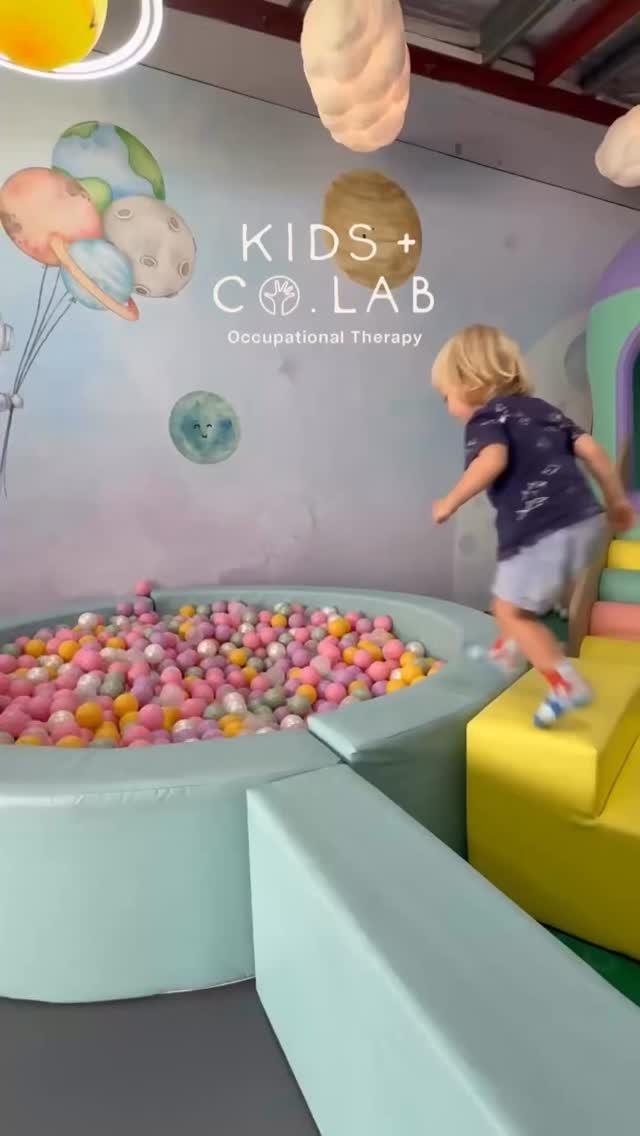
We help children build the physical skills needed for school, play and everyday life. This may include handwriting readiness, hand strength, coordination, balance, motor planning and playground confidence.
What therapy looks like:
Sessions are active and play based. We might use obstacle courses, craft, games, playground equipment or sports-based activities.Why it matters:
Strong motor skills help children:Participate confidently at school
Keep up with peers at play
Develop independence in self-care
Feel more capable in their bodies
-

Sensory Processing
Does your child seem easily overwhelmed, or constantly on the move?
Every child experiences the world through their senses differently. Some children are highly sensitive to noise, textures, or movement. Others seek out big movement or deep pressure.
What therapy looks like:
We help you understand your child’s unique sensory profile and support the development of practical strategies for home and school. Sessions may include movement-based play, calming strategies, environmental adjustments, and building body awareness.Why it matters:
When sensory needs are understood and supported, children are more likely to:Feel calm and regulated
Cope with transitions
Participate in learning
Reduce meltdowns and overwhelm
-

Mealtime & Feeding Services including SOS Feeding Therapy
If mealtimes feel stressful, limited, or overwhelming, you’re not alone, and you’re not doing anything wrong.
We support children who:
- Have very limited food preferences
- Gag, refuse, or feel anxious around food
- Struggle to sit at the table
- Find certain textures, smells, or tastes overwhelming
What therapy looks like:
Sessions are gentle, play-based and pressure-free. We might explore foods through play, adjust seating or table setup, and help you create calmer mealtime routines at home.Why it matters:
When children feel safe and supported around food, eating becomes less stressful for everyone. Over time, this can lead to:More variety in foods
Less mealtime anxiety
Greater independence
More enjoyable family meals
-

Routines and Transitions
If mornings, school drop-offs, or bedtime feel chaotic, routines may need adjusting, not more discipline.
We help families create flexible, realistic routines that match your child’s energy levels and sensory needs.
What therapy looks like:
We observe what’s currently happening, identify stress points, and introduce simple visual supports, sequencing strategies, and environmental changes.Why it matters:
Supportive routines can:Reduce daily stress
Decrease power struggles
Improve sleep
Help children feel safe and predictable
-

Community Access and Integration
We support children to feel confident outside the home, whether that’s joining a sports team, attending a birthday party, or navigating a shopping trip.
What therapy looks like:
Sometimes we work in real-world settings to practise skills where they naturally occur. We may focus on safety awareness, social confidence, or independence in public spaces.Why it matters:
Greater community confidence leads to:Increased independence
Social inclusion
Stronger life skills
More opportunities for joy and connection
-

Functional Capacity Assessments & Reports
If you’re applying for NDIS or preparing for a plan review, clear documentation is essential.
We complete comprehensive assessments that describe:
- Your child’s strengths
- Areas where support is needed
- The impact of challenges on daily life
- Clear recommendations linked to NDIS goals
What this means for you:
We write reports in plain language, backed by clinical reasoning, to help you advocate for appropriate supports and funding.

Our goal is to deliver personalised Therapy Services in collaboration with the
key people in your life.
We support families with children aged 0-18, with particular interest in early intervention for babies, toddlers, pre-school and primary school aged children.
We regularly provide education and parent coaching, support worker training and work alongside teachers, educators and members of your chosen multi-disciplinary team to get the best outcomes for your child.
Working Together.
In selecting Kids & Co.Lab as your Occupational Therapy provider you can expect:


We offer clinic and mobile services, working with you wherever you are in the Sunshine Coast community.
Ready to begin the journey?
Get in touch.
What we’ve been up to on socials lately…